
In recent years, Telangana has progressed as one of the principal paddy-producing states in India. Telangana achieved a high paddy output during the 2025–26 monsoon season. The state produced 168.8 lakh tonnes of rice, accounting for around 12.3% of the country’s overall rice production. This transformation has changed the country’s agricultural landscape. This milestone was not just about volume. It was made possible by expanded irrigation efforts, upgraded technology, and better policy support.
Previously, states like Uttar Pradesh, West Bengal, and Punjab principally drove the country’s total rice production. However, a marked increase in paddy output has now earned Telangana the title of the Rice Bowl of South India.
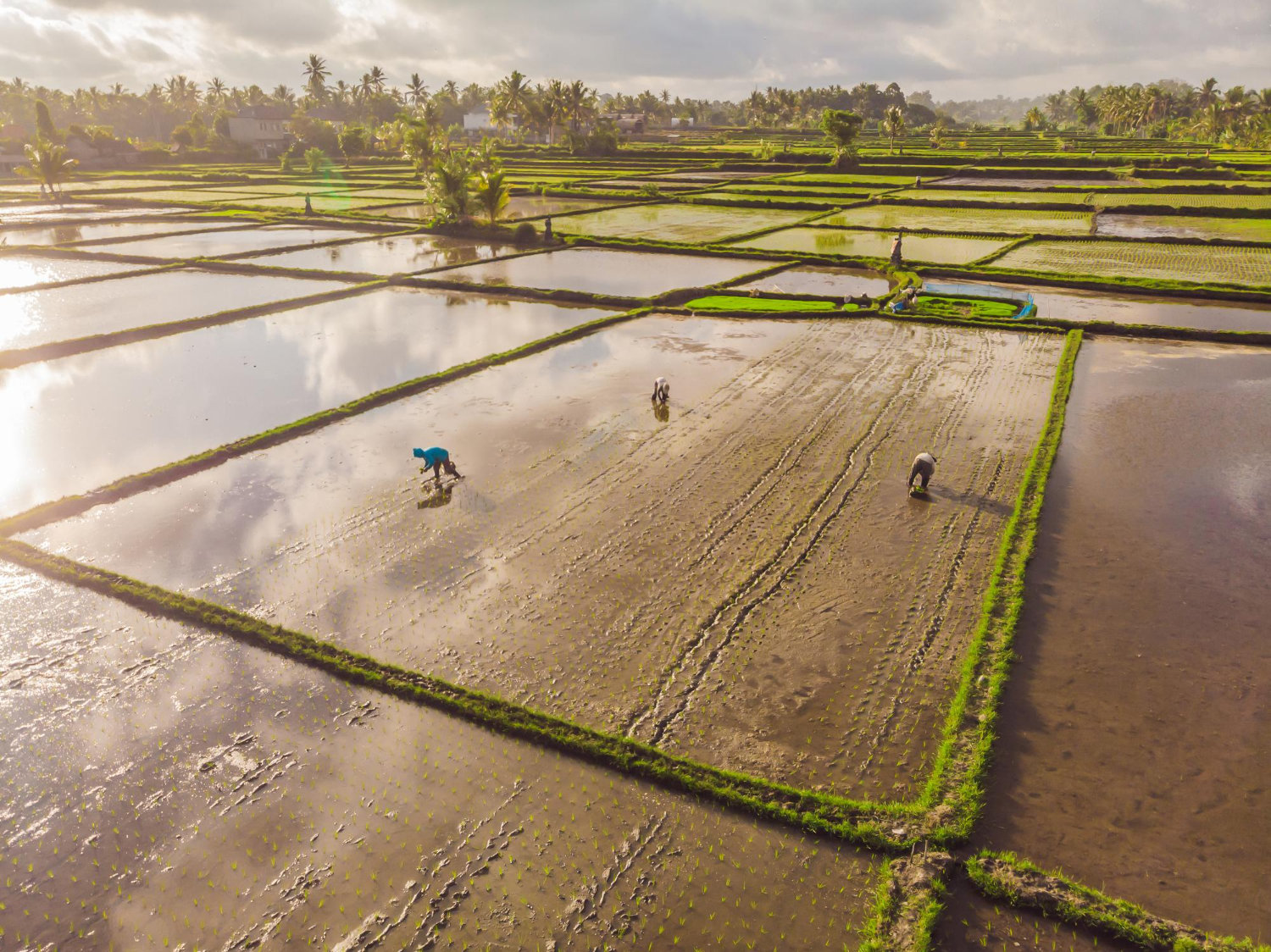
One of the major factors driving this growth was Telangana’s efficiency in crop production, together with its highly impressive scale. The area within Telangana devoted to paddy cultivation spans across 61.48 lakh acres, whereas the average yield of paddy production is around 1,453 kg per acre. This is one of the highest levels of paddy cultivation among the large agricultural states. Although Punjab has even better yields to boast of, and Uttar Pradesh is known for cultivating larger land areas, Telangana offers a unique and perfect balance between scale and productivity, thereby allowing it to effectively surpass other states in total output.
Such efficiency becomes highly significant when one considers the resources that have been used to achieve this goal. Unlike some of the other states that have access to vast lands for paddy cultivation and large-scale water usage, Telangana was able to achieve this high paddy productivity using relatively lower water and land inputs. This provides Telangana with a powerful strategic advantage over many of the other states when it comes to sustainable large-scale paddy production, while perfectly optimized resources.
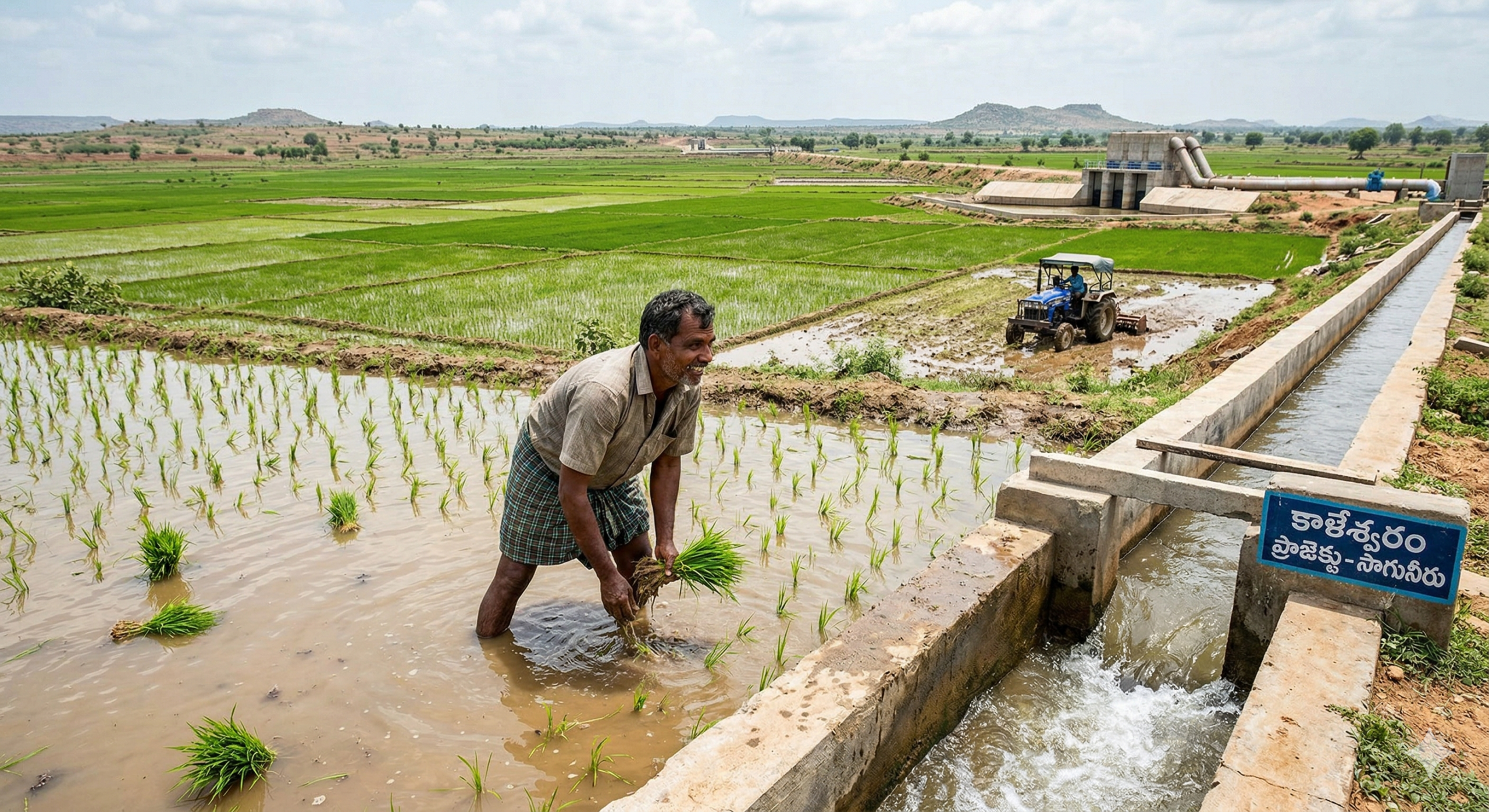
The excellent irrigation network is the core strength of Telangana, enabling it to achieve this major agricultural transformation. Many initiatives have worked together to push the irrigation coverage to around 90% during the post-monsoon months, far exceeding the countrywide average of 50%. One of the many projects that was broadly recognized as the largest multi-stage lift irrigation system in the world is the Kaleshwaram Lift Irrigation Scheme. It transformed water availability across the state. This is further complemented by Mission Kakatiya, which aims to restore the traditional water bodies.
Along with this, Telangana has also employed high-yielding rice varieties preferred in the current marketplace. Some variations ensure powerful disease resistance, brilliant production, and a high demand across marketplaces (domestic and global). For example, Kaveri Samba, BPT-5204 (Sona Masoori), and Telangana Sannalu (RNR 15048) are chosen paddy strains cultivated by farmers in Telangana. These enhance revenue potential in exporting opportunities. Moreover, it benefits farmers and agriculturalists.
Governmental policies and support started in Telangana have played a decisive role in confirming this sustainable agricultural growth. For instance, initiatives such as the Minimum Support Price (MSP) procurement pledge stable returns for them. On the other hand, the Rythu bharosa provides direct monetary aid to the farmers. Moreover, mechanized farming support, subsidized inputs, and crop insurance coverage for around 95% of farmers have reduced risks related to farming and agriculture.