
While simple in appearance, the Gongadi handwoven blanket has a deep cultural significance and a lot of practical value. It has for many generations served the local communities across much of Telangana and the neighbouring Dakshina region. Thus, it stands as an indispensable symbol of rural identity, worth, and resilience.
The prominence of the state of Telangana is deeply tied to its largely rural economy, ancient pastoral roots and civilizations, and the everyday lives of the common people. Hence, it has a distinctly rich cultural heritage. One of the traditional crafts of Telangana that gained recognition is the Gongadi woollen blanket. Hence, it earned a distinct place in the hearts and minds of the people.
Its main area of focus is to provide adequate warmth and protection in harsh weather conditions.
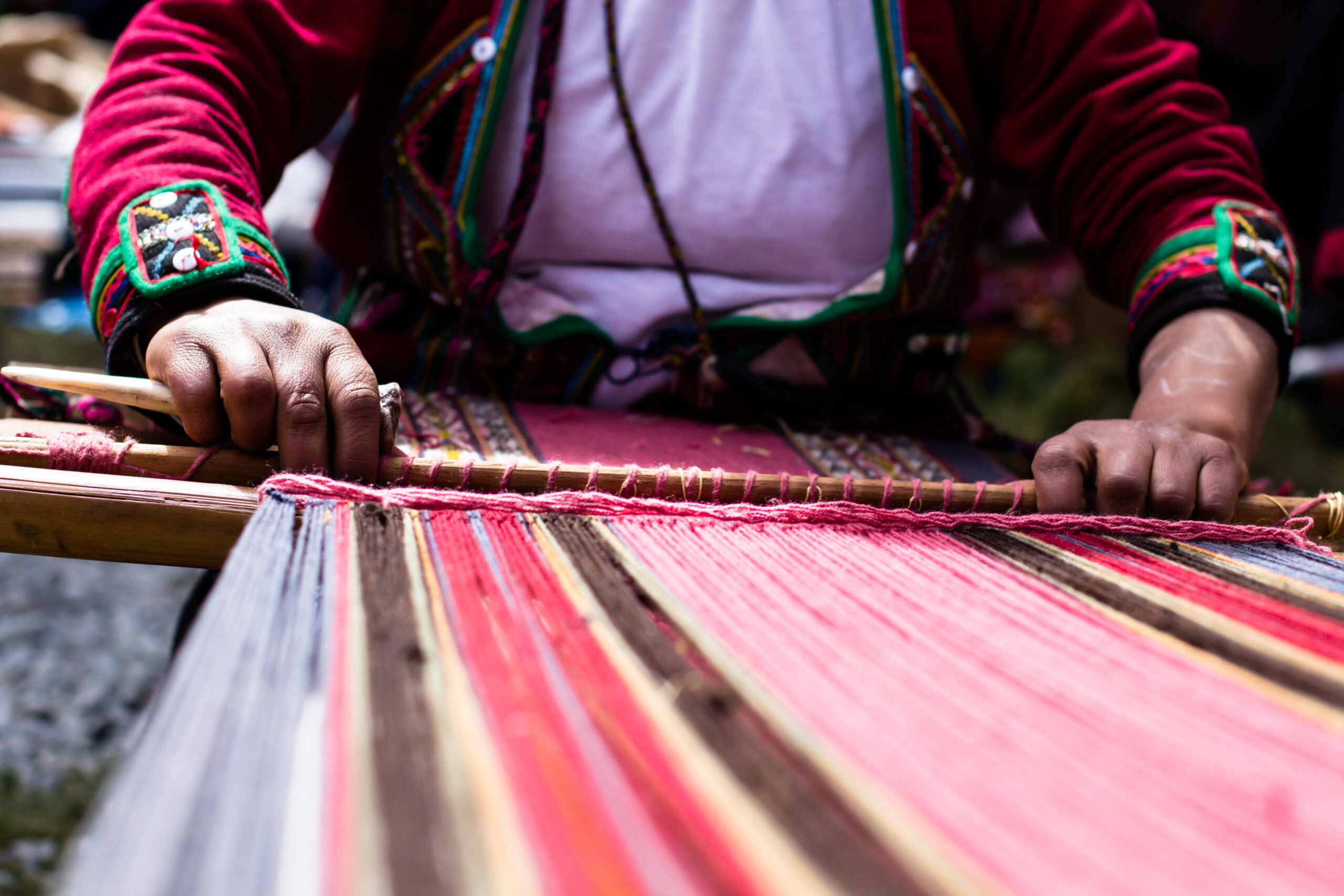
The Gongadi blanket is a coarse and thick blanket made from carefully chosen sheep wool, and is mainly crafted by the Kuruma and Golla communities. These communities have long been associated with pastoral livelihoods and sheep rearing. Eventually, over time, the term “Gongadi” itself became intimately tied to the rural life and people of Telangana. The Gongadi blanket represents durability, warmth, and the practical wisdom of the rural communities that used these simple and useful handmade items.
The Gongadi blanket is different from luxury wool items and decorative textiles, as it is made for everyday use. Weaving is done on traditional handlooms with techniques that have been explicitly practiced by generations of artisan clans and families. The Gongadi blanket does not use any dyes made from harsh chemicals. Unlike some of the other types of blankets found in the market, it helps to retain the natural shades and colours of sheep wool. Thus, these blankets are typically found in the shades of grey, brown, black, and off-white. Such natural tones yield a distinct earthy vibe. Moreover, this rustic touch is further complemented and accentuated by their high durability and suitability.
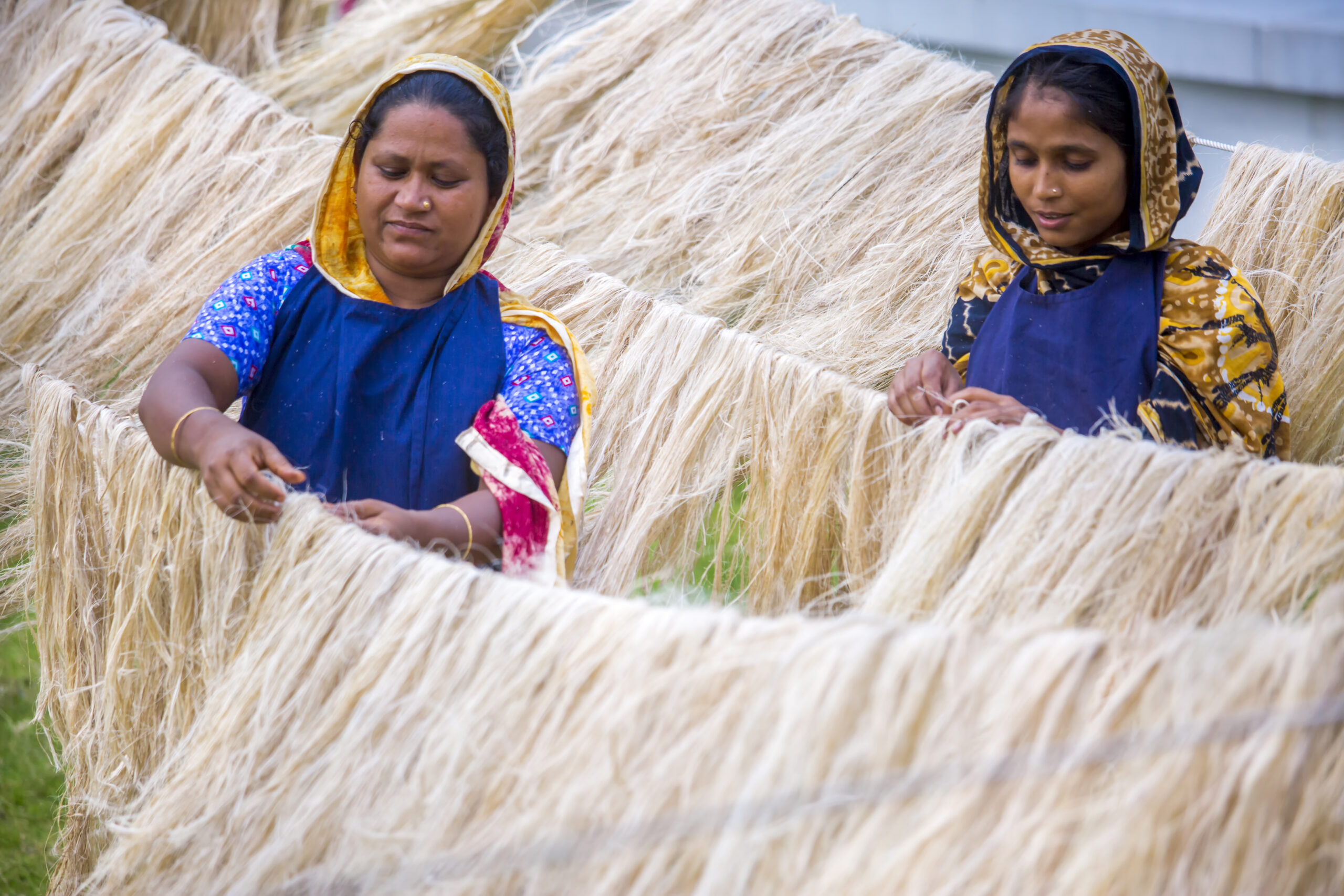
The raw material that is used to produce these Gongadi blankets is obtained from the locally reared sheep. Once the wool is sheared and collected from the sheep, it is cleaned properly to remove all traces of dirt, dust, and other impurities. After that, the wool is hand-carved and spun to make thick yarn so that it can be used for weaving. One of the best things about the Gongadi blanket is that it is extremely versatile and known for its multipurpose uses. Gongadi blankets perform numerous practical functions in rural Telangana. Apart from being used as a protection against cold during the winter nights, these blankets are also used as sleeping mats on stone and mud floors.
Shepherds frequently wrap the Gongadi around their shoulders when they are out in the fields grazing sheep to protect themselves against rain, cold winds, and early morning dew. Sometimes these blankets are used to even cover newborn babies in many traditional households. It is for such reasons that Gongadi has long been considered by the people of Telangana as the ideal household item instead of just being a seasonal product. The blanket is also deeply tied to the pastoral identity of Telangana. Agrarian households, shepherds, farmers, and wandering ascetics can often be spotted with the Gongadi draped around their shoulders.
You may also like to read:
- Zari – True Vs Tested
- Indian Region – Specific Natural Silks
- Markets to Purchase Clothes in Hyderabad
- 4 Major Natural Silks From India
- Grace And Elegance Of Wearing Sarees
- What Good Dressing Sense Talks About Your Personality?
- Advantages Of Wearing Sarees