
A silent crisis is unfolding in both rural and urban landscapes of India on a daily basis. When cows are no longer economically viable, they are abandoned. Old age, sickness, or unproductiveness usually transforms these innocent creatures into liabilities. Some end up wandering the highways. Others become victims of illegal transportation and slaughter. Against this stark reality, Shri Samarth Kamadhenu Gowshala was created not as a figurative reprieve, but as a highly organized response based on responsibility. It is a living committent to cow protection, compassion, and cultural responsibility.
Beyond Shelter: A Philosophy in Action
The Gowshala is situated within the Shri Sadguru Samarth Narayana Ashram. It is not just the act of taking care of animals; it is the practice of dharma. The initiative acknowledges an important fact: compassion without organization is not sustainable. In this case, cow protection is not sentimentalized. It is constructed on systems such as land allocation, veterinary infrastructure, trained caregivers, and long-term planning. The mission is to restore dignity, not just provide temporary relief.
Eight Acres of Thoughtful Design
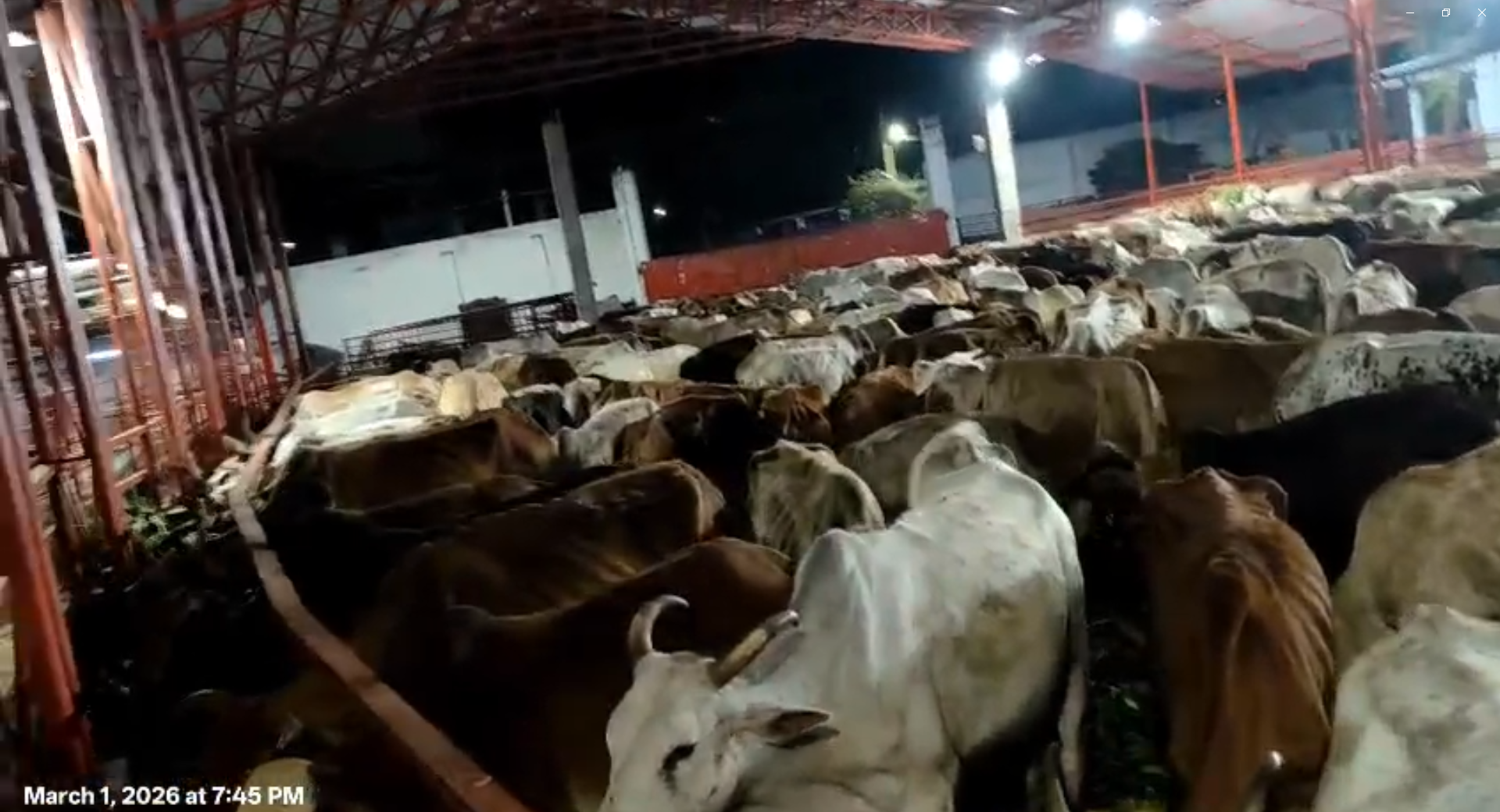
The Gowshala, which is spread over eight acres, is designed with futuristic sensibility. The open grazing area, adequately ventilated shelters, and separated care areas are such that every animal is in a stress-free and hygienic environment. This is no overcrowded containment; it is a well-thought-out habitat that values lifelong well-being. A sense of permanence and sustainability can be found in each inch.
A Healthcare Ecosystem for Animals
The institutional animal welfare at Shri Samarth Kamadhenu Gowshala is what makes it stand out. There is a special hospital unit that is used to treat ailing and injured cows, and a veterinarian attends to them almost daily. Emergency treatments, frequent health check-ups, and constant monitoring are made to make sure that none of the animals is unattended. Cows are then taken into a recovery area after being treated with great care in terms of diet and rest at special quarantine zones which screen the newcomers which helps prevent spread of disease and ensures safe integration.
The Kamadhenu Principle: Ancient Wisdom, Modern Relevance
The Gowshala revolves around the immortal philosophy of the holy cow Kamadhenu which is linked with prosperity and abundance. This philosophical base elevates the initiative to a better level than welfare. It proves to be a bridging point between the old values and the new frontiers. The Gowshala is defying the societal meaning of sustainability, ecology, and compassion by turning cow protection into a religious duty rather than a charity.
Adherence to Legality and Ethics
The operations of Gowshala conform to available animal welfare system, such as the Telangana Prohibition of Cow Slaughter and Animal Preservation Act, 1997. In this Gowshala transparency and accountability are followed and it has earned credibility with not only individuals but also many organizations supporting with CSR also. It represents a paradigm of spiritual will coexisting with legal and moral strictness.
A Movement Powered by People
The community participation of the Gowshala is perhaps the strongest component of the Gowshala. GowSeva is a volunteer organization that changes passive support into an active one. Since they feed and clean, sponsor fodder and medical care, people become members of a greater cause. The culture of empathy built through weekly donations of vegetables, family engagement, and participation of youth goes outside the premises.
A Blueprint for the Metro City Hindu Organizations
Shri Samarth Kamadhenu Gowshala is an ideal example of animal welfare in India in the metro cities. It demonstrates that rescue is an activity that can be organized, that tradition can be used in the formation of innovations, and that compassion does not lose its soul once it is institutionalized. In an era when modernisation takes place at a blistering pace and tends to alienate society from its moral foundations, this Gowshala stands out as a strong reminder: in the realm of sustainable development, one should also care about all living organisms.
You may also like to read:
- Shri Sadguru Samarth Narayana Ashram in Jiyaguda Hyderabad
- Sri Veda Bharathi Peetham, Basara – Helping All Sections With Divine Education
- 15 Famous Temple Destinations To Visit In Hyderabad
- Karmanghat – A Must Visit Oldest Hanuman Temple in Hyderabad